Invasive zebra mussels discovered in Georgia pet store purchases - Henry Herald
Invasive zebra mussels discovered in Georgia pet store purchases - Henry Herald |
| Invasive zebra mussels discovered in Georgia pet store purchases - Henry Herald Posted: 07 Mar 2021 08:46 AM PST 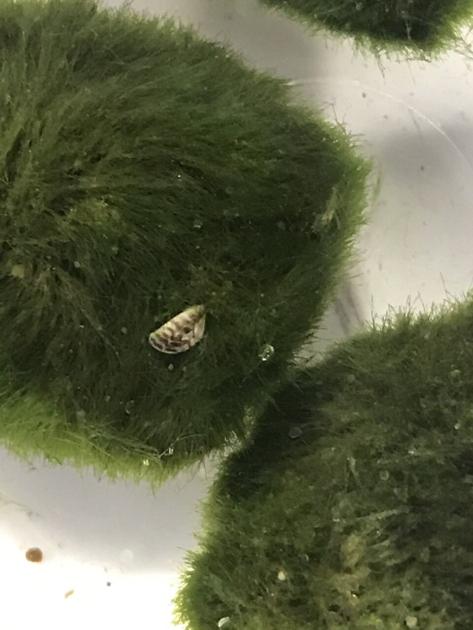 SOCIAL CIRCLE — The Georgia Department of Natural Resources' Wildlife Resources Division, along with wildlife agencies across the U.S., is urging both pet and aquarium stores and aquarium owners to remove and safely dispose of any moss ball plant designed for aquariums after invasive zebra mussels were discovered inside the product. "Zebra mussels pose a significant risk to our state, so we urge anyone that may have purchased this type of product in the last month or has them on store shelves to remove it immediately, if they have not already done so," WRD Aquatic Nuisance Species Coordinator Jim Page said. "But don't just throw it away anywhere. The concern with this specific mussel is that its release into the wild via septic systems or from being discarded in nearby ditches, creeks or other waterbodies could result in establishment of the species in our state and lead to major ecological and economic damage." Georgia officials were alerted about this situation after reports from Washington State indicated zebra mussels were discovered attached to and inside these moss ball plants, like the "Betta Buddy Marimo Ball," found at a local PetCo store. Visits to multiple pet chain stores in Georgia confirmed the presence of zebra mussels in this and other products. PetCo stores across the nation, including Georgia, have since removed the product from their shelves. However, other pet store owners and operators are encouraged to check for this product, and if found, to immediately remove it and safely dispose of it. Consumers are urged to not purchase this product from stores or online. If you have purchased this item in the last month, dispose of it properly and sanitize your tank(s). This product can be safely disposed of by freezing (for 24 hours) or boiling (for at least 10 seconds) before disposing of it in the trash. Consumers may also contact their local WRD office (www.georgiawildlife.com/about/contact) for additional information on proper discarding techniques. Most importantly, do not flush this product, or the mussels, down the toilet and do not discard them outside. Aquarium owners who may have infected aquariums are urged to remove the fish from their aquarium and thoroughly clean their tanks, applying household bleach (one cup of bleach per gallon of water) and letting it set for 10 minutes before disposing of the water down a sink or toilet. Additionally, owners should disinfect filters, gravel and structures with a solution of bleach before disposing of the water down the toilet. Zebra mussels cause millions of dollars in damage to boats and water intake pipes while creating ecological harm to native mussels and other aquatic biota. As such, WRD officials are actively seeking the help of the public to maximize efforts to prevent the introduction and establishment of these destructive mussels in our state. "Currently, there is not a known established population of zebra mussels in Georgia state waters, and we are hopeful that with the public's help that we can keep that streak going," said Page. |
| Posted: 07 Mar 2021 09:27 PM PST 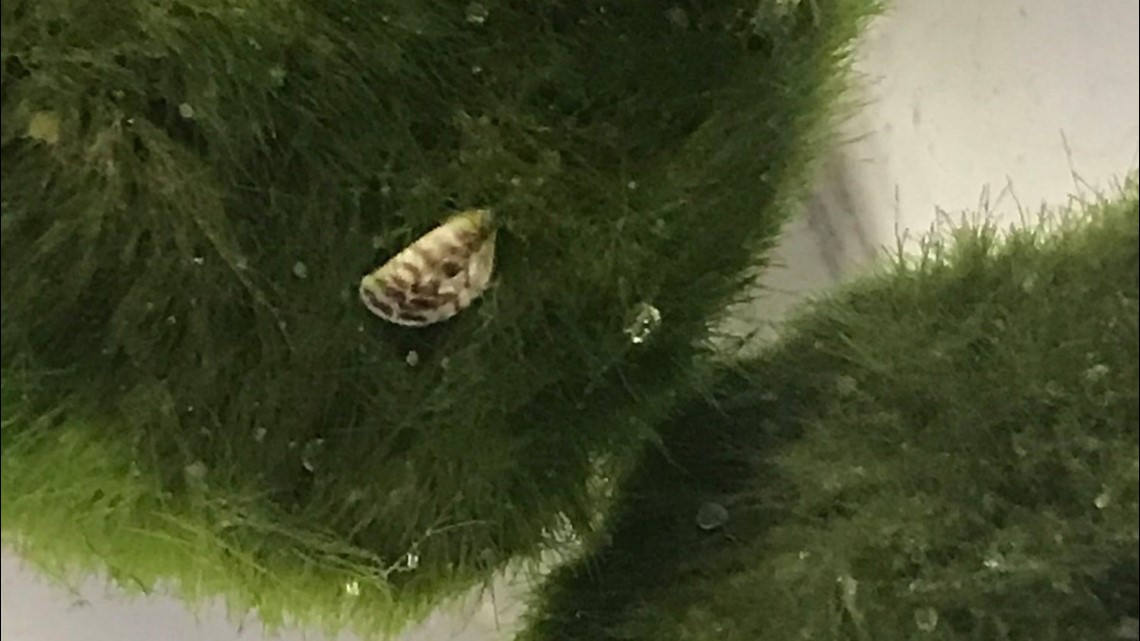 The DNR said the zebra mussel could lead to "major ecological and economic damage" if allowed to spread in the state. SOCIAL CIRCLE, Ga. — The Georgia Department of Natural Resources is alerting residents across the state to get rid of a plant that could have a dangerous species living in it. However, the state agency also warned that how residents dispose of it could make the difference between helping the situation and "major ecological and economic damage." According to the DNR's Wildlife Resources Division, the plants in question are "moss ball plants" that are designed for aquariums. The invasive species they apparently carry is known as the zebra mussel. The agency said it was alerted to the issue after reports from the state of Washington after the mussels were found attached to the plants. The moss ball plants include those like the "Betta Buddy Marimo Ball" found at a local PetCo Store, the DNR said. PetCo responded by removing the items nationwide, but there is concern that contaminated moss ball plants may still be at other stores - or in Georgia homes. "Zebra mussels pose a significant risk to our state, so we urge anyone that may have purchased this type of product in the last month or has them on store shelves to remove it immediately if they have not already done so," said Jim Page, WRD Aquatic Nuisance Species Coordinator. But it's not a matter of merely throwing the plants away or flushing them. In fact, either step could be disastrous. The products should first be frozen for 24 hours or boiled for at least 10 seconds. Consumers can also contact their local Wildlife Resources Division office for additional information. Aquarium owners will also need to take additional steps, removing fish from their systems and thoroughly cleaning the tanks with bleach, and letting it sit for 10 minutes before disposing of the cleaning water. Similar care will be needed to disinfect filters gravel and other structures in the thanks. "The concern with this specific mussel is that its' release into the wild via septic systems or from being discarded in nearby ditches, creeks, or other waterbodies could result in establishment of the species in our state and lead to major ecological and economic damage," Page said. If allowed to get a foothold in Georgia, the mussels could become a danger to native ecosystems. They're also known to cause millions of dollars of damage to boats and water intake valves according to the DNR. The agency said that, at this point, there is no known established population of the zebra mussel in Georgia. Their hope is to keep it that way. |
| You are subscribed to email updates from "aquarium supply store near me" - Google News. To stop receiving these emails, you may unsubscribe now. | Email delivery powered by Google |
| Google, 1600 Amphitheatre Parkway, Mountain View, CA 94043, United States | |

Comments
Post a Comment