Tested travelers: After COVID-19 obstacles, exotic Hawaii offers food, history, exploration and outdoor fun in the sun - The Spokesman-Review
Tested travelers: After COVID-19 obstacles, exotic Hawaii offers food, history, exploration and outdoor fun in the sun - The Spokesman-Review |
| Posted: 04 Apr 2021 12:17 AM PDT 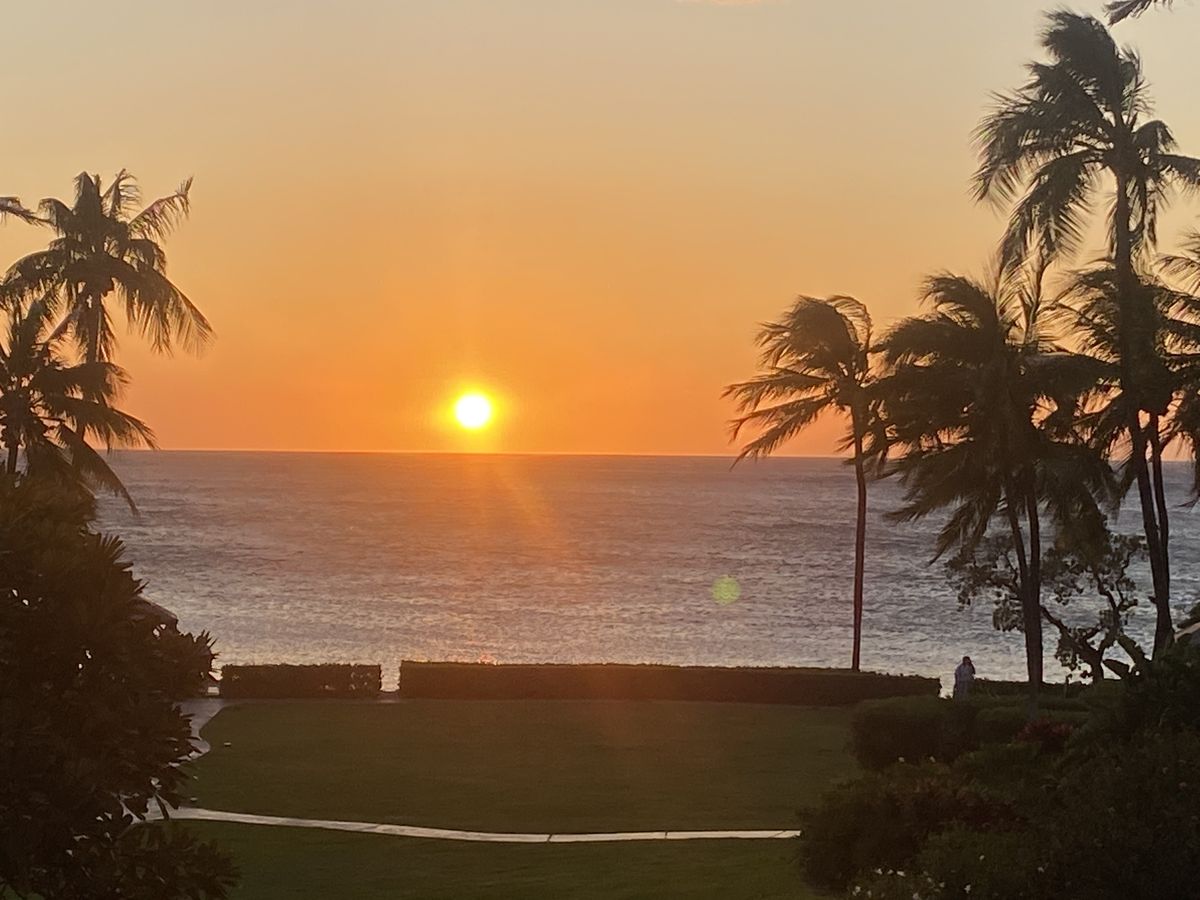 "Life is much more interesting when you make a little bit of effort." – Chinese artist A.I. Weiwei It takes some effort to travel to Hawaii during the pandemic, particularly the island of Hawaii, aka the Big Island. Hawaiians are doing all they can to keep COVID-19 off their islands. You must drop $139 for the PCR test via a trusted travel partner (hawaiicovid19.com/travel-partners). After testing negative, you have 72 hours to land in Hawaii. You're then required to upload all the information on a travel portal. If you're flying to the Big Island, you will be greeted at the airport not with a lei but with another COVID-19 test. It's quite a few hoops to jump through – and it's nerve-wracking – but it's well worth the effort since Hawaii is the most stunning destination we're allowed to visit during this continuing pandemic. There are also some deals to be had since Hawaii isn't quite back to where it was before the pandemic. Our family vacation last month commenced at the Fairmont Orchid (fairmont.com/orchid-hawaii) in scenic Waimea, which is offering a third-night-free deal – buy two, get one free. The property is stunning, and it features a bay with a sandy beach. We didn't realize how significant that is until my son Milo met a friend at the Orchid hot tub. His gal pal's family, which took advantage of a buy one, get one free night at the Orchid, has a home in a beautiful community in nearby Kona. Their beach, like many on the Big Island coast, is rocky. When we visited their home, we had to take a boat out to safely reach the coral. There's no need for that at the Orchid Beach. We snorkeled from the beach and experienced an array of tropical fish in the turquoise water, but the highlight was discovering the honu, the Hawaiian sea turtle. During our second day, I ventured out about 200 yards and happened to catch a glimpse of the spotted beauty about 6 feet under. I swam respectfully around it about 10 feet away. I witnessed it chewing on an unidentified object, and, as I glanced to the left, there were two other turtles, each about 4 feet. The sunsets from the Orchid are sensational, and the rooms are spacious and comfortable. The Orchid's Binchotan Bar & Grill serves up family platters designed for a feast. The smoked pork belly with sesame red miso is sublime. The tempura cauliflower with Korean chili sauce could pass for Buffalo chicken. So tasty but healthy. The Hawaiian pizza from Brown's Beach House (brownsbeachhouse.com) with tangy sweet onions and succulent pork is delightful. There's a shuttle to a Foodland Farms market (foodland.com/stores/foodland-waimea) less than a mile away. We took advantage of bikes, which are complementary, to pick up groceries. Foodland Farms offer mainland prices for island delights such as the Hawaiian sandwich stacked with pork. There is nothing like Hawaiian cuisine. There was never a disappointing meal or snack. I was reluctant to stop at Gill's Lanai (facebook.com/gillslanai), a nondescript shack. I enjoyed the best poke bowl of my life. The Southern California transplants behind the restaurant explained why the tuna is off the charts; they pick up the ahi each morning. "What you're eating was swimming just hours ago," co-owner Chris Gill said. We indulged in Hawaiian ice cream and loved the coconut and sweet potato. Gosh, I miss the ube. Since we had never been to Hawaii, it had to be about more than a beach vacation. We ventured off to the other side of the island and stopped at Kapaau's Hawaii Island Retreat (hawaiiislandretreat.com/index.php/en-us). It was a completely different experience at the eco-boutique hotel, which is located on the tip of the gorgeous North Kohala Coast. Co-owner Jeanne Sunderland built the structure, which has a tranquil Mediterranean flavor. Sunderland spun entertaining yarns during breakfast while serving surprisingly sweet grapefruit, hearty oatmeal and blue – yes, blue – eggs, all homegrown. We hiked to the secluded beach below our room and swam in the infinity pool before retiring to our elegant and peaceful accommodations. I can't recall the last time I saw so many stars as I gazed from our balcony. A hike of the nearby Polulu Lookout is a must. It's about 40 minutes down to the valley floor and an hour back up. The beach is pristine, but swimming is discouraged due to the rocks and rough waves. It's worth it, however, for the view and the little hikes by the sea. There are ropes for kids to swing through the trees. Milo and his sister Jane indulged. Every trip is filled with some education for my children and myself. We took some time with Liam Kernell, the director of communications at the Kohala Center (kohalacenter.org). Kernell detailed the history of Hawaii and waxed about what makes Hawaii unique. The traditions and language set it dramatically apart from the mainland. We learned quite a bit about Hawaiian agriculture on the Rainbow Farms tour (okfarmshawaii.com/tours-a) in Hilo. We cracked shells to enjoy macadamia nuts and cacao (chocolate, which the kids loved). We were also privy to some amazing waterfalls. The Puna Gold Coffee & Cacoa Estate Farm Tour (punagoldestate.com) was punctuated with a sample of chocolate that was absolutely heavenly. Steven Yundt's three-acre farm is crammed with crops, such as cinnamon, coffee and a variety of fruits and nuts, and it's worth the trip for the chocolate, which is organic and addictive. Yundt, who left a number of his Northern California restaurants for Hawaii, is knowledgeable, charming and humorous. Yundt paired our chocolate with "Jungle Juice," a delicious fermented beverage that left us reluctant to leave. Yundt provided details of how destructive the eruption of the Kilauea volcano was in 2018. The landscape was altered, hundreds of homes were destroyed, and it was a perfect segue to our stay at the Volcano House (nps.gov/havo/learn/historyculture/volcano-house.htm), which is in Hawaii Volcanoes National Park (nps.gov/havo/index.htm). The Volcano House is a far cry from what we experienced at the Fairmont Orchid, which is on the sunny coast. We explored the misty rainforest, which remained in the 50-degree zone for our stay. Hiking down the mountain and walking on the crater was akin to what I imagine would be a stroll on the moon. The black lava rock set the mood. The raw power is tangible since the Kilauea and Mauna Loa are two of the world's most active volcanoes. The Thurston Lava Tube was reopened in late March after being closed for more than a year. I had never witnessed a landscape quite like the gnarled beauty that is ubiquitous throughout Volcanoes National Park. Mauna Loa is 13,677 feet above the sea. Measured from its base, 18,000 feet below sea level, Mauna Loa eclipses Mount Everest in height. It's the planet's most massive single mountain, and it's a sight to behold. "I've never seen anything like this," Jane said when staring at a small purple and black plant. Me, either. Many of the park's unusual native plants and animals are in jeopardy thanks to invasive plants and feral pigs, which we witnessed romping throughout the landscape. The park is trying to protect as much as possible, but who knows what the future holds? The glorious park is rugged, gorgeous and, in spots, not seemingly of this earth. Two nights and three days were not enough in Volcanoes Park. The trip was capped by an afternoon of zip-lining in Hakalau with Umauma Experience (umaumaexperience.com). Milo and I enjoyed more than 2 miles of zip-line fun peaking at 65 mph on one run. We flew over stunning waterfalls as we peered out at the Pacific Ocean. "This is the best zip I've ever done," Milo said. "It's the most beautiful place to zip." After experiencing a number of zips, this is the first in which we weren't responsible for stopping. The crew slowed us down after each of our nine runs. It was wonderful to not think about anything but flying. Reserve early. The zip was completely booked for two weeks. We were fortunate to have the opportunity to engage in a memorable zip experience. There is no place quite like the Big Island, which is the youngest island. It's still growing and morphing. It's a terrific place to relax and explore. If you can deal with the requirements for COVID-19 testing, go West. Visitor numbers are down, and so are airline fares. Do your research, and uncover deals and bargains. Anecdotally, I know of about a dozen friends and acquaintances who recently traveled to Hawaii or are about to depart. Now is the time to hit the Hawaiian Islands. |
| Lawmakers must prevent the selling and keeping of exotic ‘pets’ - Milford Daily News Posted: 02 Apr 2021 04:29 PM PDT  Some years ago, I heard a loud, rather frantic knocking at my door. I rushed to open it and found my next-door neighbor standing on my doorstep with gloves on and a pillowcase in hand. He had stopped by to warn me that his "pet" python was on the loose, having escaped the small, inadequate tank that he was kept in. As if this weren't alarming enough, he admitted that he had been out of town for "a couple of weeks" and wasn't exactly sure when Bruno the snake had finally gotten hungry enough to make a break for it. Could I keep an eye out for him? I slept with one eye open until Bruno was found — weeks later, emaciated and dead, having starved to death behind the dryers in the apartment building's laundry room. Bruno met a ghastly end, but as Florida lawmakers well know, some lost or discarded pets manage to thrive. Florida officials tried every trick in the book to rid the state of pythons and other non-native species. Roundups didn't work. Killing contests with cash prizes failed. A recent decision by the state's Fish and Wildlife Conservation Commission to ban the possession and breeding of pythons, iguanas and 14 other nonnative species is long overdue but may have come far too late. Florida's war on reptiles can be directly attributed to lawmakers — at both the state and the federal level — who have long capitulated to the exotic animal industry by refusing to ban wild animals from being kept as pets. Just a few years ago, the U.S. Fish and Wildlife Service caved to the U.S. Association of Reptile Keepers, which was fighting a bill that would have made some species of dangerous snakes illegal to import and sell. The proposed list was gutted by more than half — four species were banned rather than nine. The group then sued to overturn even that modest measure. When you make it as simple as pulling out a credit card to buy snakes, alligators, iguanas and other exotic species, the cruel cycle, fueled by the exotic pet industry, begins again. These animals are often bought on a whim and are quickly disposed of when their specialized needs become burdensome. The thrill of acquiring a novelty pet can wear off before the check even clears. Animals who have become "inconvenient" are often tossed out like trash or relegated to life at the end of a chain or in a tiny cage; others are passed from one owner to the next. A few "lucky" ones may end up in an already overburdened animal shelter, where they will at least be given food. Unbelievably, there is no federal law prohibiting the private ownership of wild or dangerous animals, and that includes tigers, bears, lions and other large species. Breeders and dealers market exotics as if they were little more than stuffed toys. But exotic species have precise dietary and environmental needs and require specialized veterinary care that even zoos, with their vast resources, sometimes have difficulty fulfilling. Reptiles need technical spectrum lighting, big cats require a fortified diet to prevent their bones from weakening and tropical birds need high levels of humidity in order to thrive. Lawmakers owe it to their constituents to prevent people from breeding, selling and keeping reptiles and other exotic species, not only to protect the animals themselves, like poor Bruno, but also to protect public health and our ecosystems. Jennifer O'Connor is a senior writer with the PETA Foundation, 501 Front St., Norfolk, VA 23510; www.PETA.org. |
| You are subscribed to email updates from "exotic fish" - Google News. To stop receiving these emails, you may unsubscribe now. | Email delivery powered by Google |
| Google, 1600 Amphitheatre Parkway, Mountain View, CA 94043, United States | |

Comments
Post a Comment