Fish out of the wrong water: Anglers reminded that transporting live fish is illegal, costly - Post Register
Fish out of the wrong water: Anglers reminded that transporting live fish is illegal, costly - Post Register |
| Posted: 07 May 2020 07:00 PM PDT 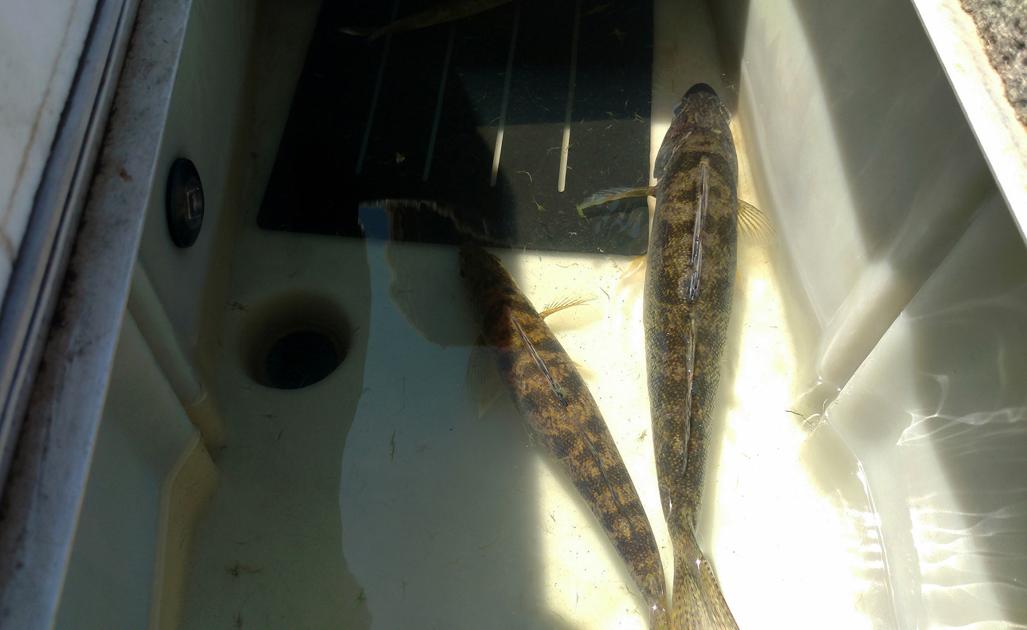 Anglers reminded that transporting live fish is illegal, costly An eastern Idaho angler casts out into a local trout pond hoping to catch a fish for dinner. The rod bends and the angler reels in a smallmouth bass. Bass?! Another angler casts into the Ririe Reservoir hoping for a kokanee or large trout. The rod bends and the fight is on. When fish is landed, it has dark marks across it's back. That's no trout, it's a walleye. Walleye?! According to regional fisheries biologists, illegally introduced fish have found their way into some eastern Idaho waters by what they call "bucket biologists." Most often an angler has a favorite fish that's not found in their nearby lake or reservoir, so they catch some in one place and transport them live and dump them in another place. Not only is it illegal, but sometimes it can have catastrophic results. "The cost can be pretty significant not only to us and what we're spending to maintain these fisheries, but it can cost anglers who use these resources, because they no longer have the opportunity to fish for some of these desired species that we stock, like kokanee or rainbow trout," John Heckel, a fisheries biologist for the Idaho Department of Fish and Game's Upper Snake River region. Fisheries biologist Carson Watkins in the Southeast Region said Fish and Game manages each body of water for specific goals. Two examples are Treasureton Reservoir near Preston and Blackfoot Reservoir. Both have been targeted by bucket biologists dumping smallmouth bass into waters managed for trout. "Treasureton is a quality trout fishery with special rules in place that help it to grow big trout," Watkins said. "It attracts a lot of angler effort because of the big trout. … Having bass in that system can and does compromise that management direction." He said illegally introduced bass in the reservoir were finally removed when the water was drawn down to repair the dam and Fish and Game killed all the fish and started over. Predatory bass in Blackfoot Reservoir pose a threat to the native Yellowstone cutthroat trout. Watkins said so far, Fish and Game is monitoring the situation and learning about how bass interact with trout in case the intruder becomes a serious threat. City ponds, such as Becker Pond in Idaho Falls, Jim Moore Pond in Roberts and Bannock Reservoir in Pocatello have been hit by a different kind of illegal fish transfer: Pets. Home aquarium owners have dumped their pet goldfish into the ponds, perhaps because they wanted to get rid of them and thought maybe this would give them a chance for a new life. Most aquarium fish die in Idaho's cold waters, but a few find warmer springs and somehow survive. Angel fish and guppies have been reported living in some of Idaho's many warm springs. "We've found half-pound gold fish in some of our ponds," Watkins said. "That's a big goldfish." Ririe Reservoir has illegally introduced walleye; Mackay Reservoir has illegally introduced yellow perch. Heckle said the illegal introduction of live fish into Idaho waters hurts the fishery. Each year, Fish and Game stocks 300,000 kokanee fingerlings into Ririe Reservoir. But it's believed that predatory walleye gobble many of them up. "The fish that we sampled were growing very rapidly and large," Heckle said of walleye. "We have seen a decline in the kokanee population in Ririe, however, we haven't been able to directly correlate it to the walleye. But the walleye are certainly (feeding) on the kokanee in the reservoir." He said Fish and Game has changed the docking location for dumping kokanee fingerlings to keep them away from known walleye hangouts. Fish and Game says transporting live fish to or from the location where they were caught can lead to a misdemeanor citation. Anglers are required to kill kept fish or release them back into the water where they were caught. Depending on the severity of transporting and illegal stocking of fish, it could lead to a felony charge. "Restoration efforts could potentially total in the hundreds of thousands of dollars," Fish and Game said in a recent news release. Watkins said Fish and Game spends about $1 million a year on its operation to gillnet lake trout that found its way into Lake Ponderay from illegal introductions in Montana. The lake trout crashed a once productive kokanee and trout population. Trout and kokanee have made a comeback after Fish and Game hired the same lake trout killers used to battle the fish in Yellowstone Lake in Yellowstone National Park. There are provisions for transporting live fish for private Idaho ponds. Two permits are required. A person needs a private pond permit and a live fish transport permit. In Idaho, private pond owners are allowed to stock bass, bluegill, catfish and/or crappie. |
| Aquarium offers online viewing for homebound visitors - EVENT NEWS Posted: 23 Apr 2020 11:59 AM PDT 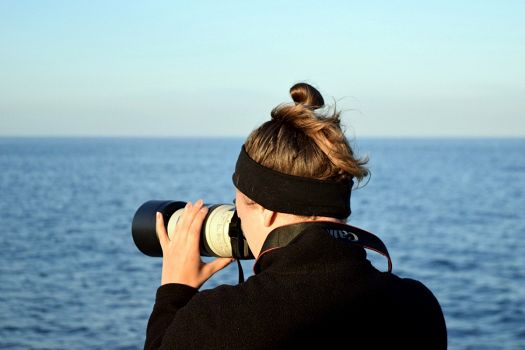 The Aquarium of the Pacific is adding new content daily for kids and adults alike through its Online Academy and will host its first virtual Earth Day event. Though it has been closed to the public since mid-March due to the pandemic, the Aquarium of the Pacific in Long Beach, California, has had its virtual doors open to people around the world. With many kids and adults staying at home, the Aquarium is offering them free online resources with daily live and on-demand content, including new additions, like the live penguin nest cam. The Aquarium hosted its first virtual Earth Day event on April 22 featuring themed classes for kids, an evening lecture for adults hosted by the Aquarium's president, a special edition of the Daily Bubble show, and live appearances by the Aquarium's ambassador animals. You can visit the Aquarium's website or follow their social media channels for live feeds and updates. Here are some of these offerings broken down by age group and all accessible via the Aquarium's Online Academy webpage. Live animal webcams (all ages): Find out which penguin couples decide to build a nest this season with the new nest cam and watch their antics underwater. Take a virtual dive through colorful coral reef habitats teeming with fish or through a lagoon filled with sharks. Feel the tranquility that watching mesmerizing sea jellies can bring, and explore kelp forests with some very big fish. The Aquarium of the Pacific currently features seven webcams where you can experience all of this live, along with accompanying educational resources. The Daily Bubble show featuring the comedy of the Pacific Pals (all ages): Looking for a laugh while learning? The Pacific Pals hope they can help. This group of puppet characters includes Axl the axolotl, Seymour Shark, Piper the seahorse, Captain Quinn, and the newly added character, Quinn's son Kevin the crab. You can meet Kevin in this episode, but we won't say more so we don't ruin the surprise. In their Daily Bubble show, the Pacific Pals bring you Aquarium news, education, home craft ideas, and updates in their own special way. You can also download Pacific Pals coloring and activity sheets. Live interactive classes for kids (grades K-12): The kids are home and school is in session with Aquarium of the Pacific educators. These interactive sessions are offered live, and kids can send in their questions via text or email to the Aquarium educator, but can also be watched on-demand. The classes are divided by grade levels: Pre-K to second grade; third to fifth grade; sixth to eighth grade; and ninth to twelfth grade, and feature interviews with Aquarium animal experts, live looks at animals, and opportunities to draw with the Aquarium. These classes cover a diverse range of topics, including learning about animals and their habitats, ocean exploration, marine science, and even about careers in the field. Parents can print out certificates of completion for their fin-tastic students at home. Virtual Visitor Guide embossing activity with digital prize (all ages): Virtually explore the Aquarium's galleries and search for answers to questions about the animals. You can download the Visitor's Guide and use the Online Learning Center to find the answers to all eight questions. Once you complete the activity, you'll unlock a digital surprise, courtesy of the SoCal Honda Dealers Association. Lifelong learning through the Guest Speaker Series and Aquatic Academy (adults): If you have an interest in environmental subjects, the Aquarium offers a tremendous volume of lecture videos on-demand, featuring scientists, artists, journalists, and Aquarium staff. These lectures cover a wide range of topics, from ocean research and conservation to how we can use art to build connections to nature. Each speaker also records a short Aquacast at the Aquarium, and that podcast is also archived on the Aquarium's website. In addition, the Aquarium has made its Aquatic Academy six-part courses a free online resource. These courses feature leading experts teaching adults about environmental topics, including the most recent series from last month about the effects of Earth's health on human health. Seafood at home with Seafood for the Future (adults): Looking for recipes to cook at home or ideas on how to make responsible seafood choices? The Aquarium of the Pacific's Seafood for the Future programs offers online resources to help. This includes the Ocean to Table video series featuring chefs and seafood farmers and its Storied Seafood series, which includes videos in both English and Spanish. Courtesy photo Visitors feed the fish at the Aquarium of the Pacific before it was closed because of coronavirus. The AOP is now offering free online exhibits and programming. |

| You are subscribed to email updates from "big fish aquarium" - Google News. To stop receiving these emails, you may unsubscribe now. | Email delivery powered by Google |
| Google, 1600 Amphitheatre Parkway, Mountain View, CA 94043, United States | |

Comments
Post a Comment